

 Finance automation is no longer new to most organizations. Finance leaders already value faster closes, fewer manual steps, and the ability to handle growing transaction volumes without adding headcount. The challenge is not the goal itself, but the complexity of executing it effectively.
CIOs often see finance automation as a simple request, which, ironically, quickly becomes complex. ERP systems already carry years of customization. Procurement platforms, ticketing tools, and CRM systems interoperate with those systems. Consequently, over time, automation gets added in pieces. Some work stays manual, while others move into scripts. Some are handled by RPA bots that rely on screen scraping and keystrokes.
Each decision makes sense at the moment. However, when put together later, these decisions create fragile, hard-to-maintain environments. This critical point is where many CIOs start to feel the strain. Exception handling happens outside systems of record. Bots break after upgrades. Finance teams rely on inboxes and spreadsheets when systems cannot keep up. When auditors ask how a decision was made, the answer is often spread across tools and people. Auditoria.AI was built for this reality.
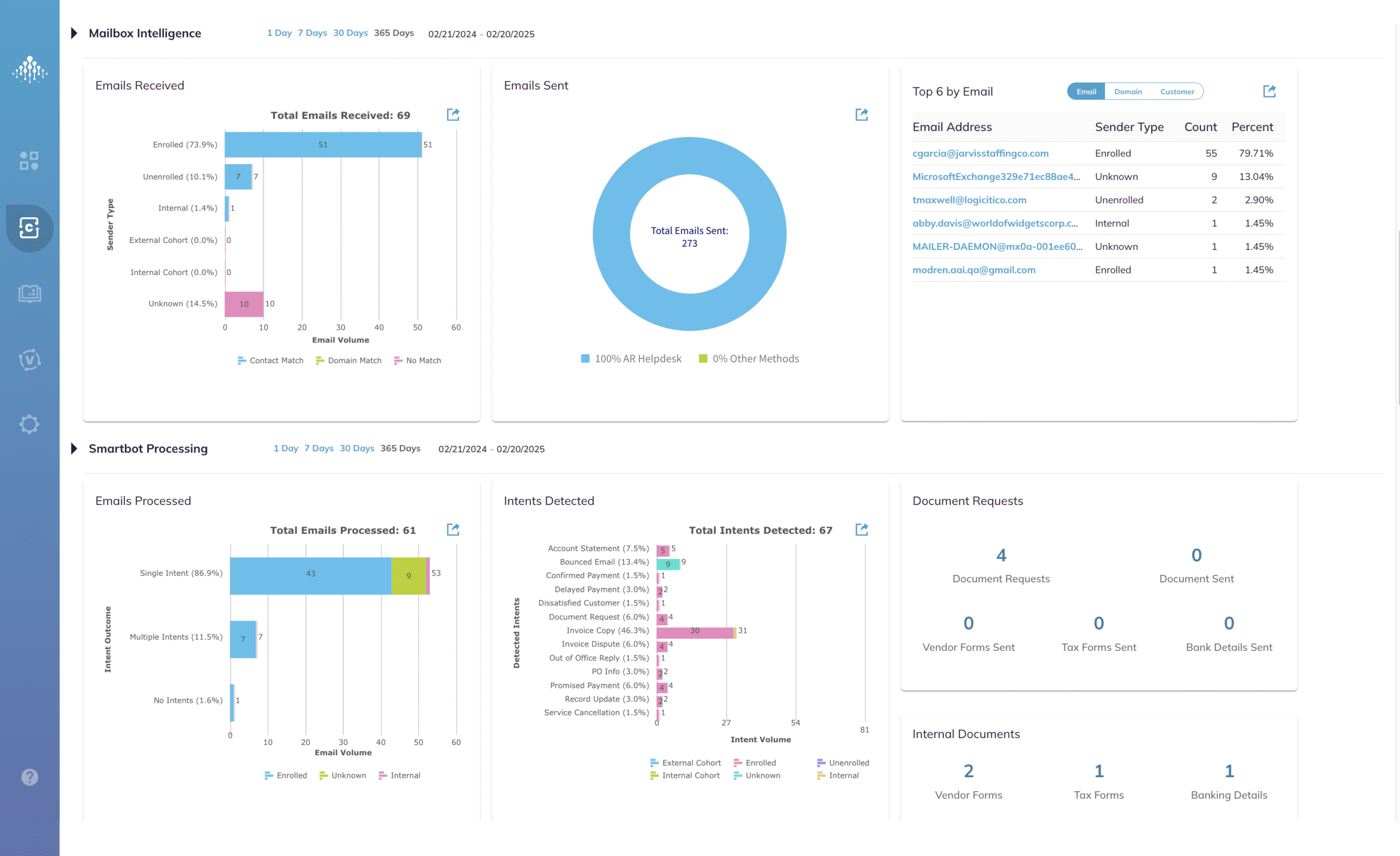

The company focuses on the parts of finance operations that consume the most time and effort, especially in accounts payable and accounts receivable. Invoice exceptions, cash application, and investigative work that requires context are part of finance teams’ daily work. What matters is how that work gets automated.
Auditoria.AI’s AI agents connect directly to enterprise systems through APIs. They do not mimic users clicking through screens. They operate in systems such as SAP, Oracle, NetSuite, Workday Financial Management, Coupa, ServiceNow, and Salesforce. Policies guide what the agents can do. Decisions can be reviewed later, and nothing happens outside governance. Auditoria.AI claims this is a conversation changer for CIOs.
Automation stops sitting on top of systems and starts working within them. Finance teams wrap up daily operations faster, but IT does not inherit a brittle layer that requires constant attention. The key part is that when ERP systems change, the automation does not fall apart. This flexibility in solutions has been especially important for organizations in regulated and audit-sensitive sectors. Healthcare providers, financial services firms, universities, and professional services organizations all process high transaction volumes. In these environments, speed alone is not enough. Consistency is equally important, as is documentation and explanation.
Customers using Auditoria.AI can scale transaction volumes without expanding finance or IT teams. Simultaneously, audit readiness improves because workflows are both visible and standardized. This transparency helps reduce operational risk.
CIOs aren’t asking whether finance should automate — they already know the answer. What they’re pushing back on is automation that sits on top of their systems and breaks every time something changes. Our AI agents work within the systems of record that CIOs already trust, with the governance and auditability that enterprise IT demands. That’s how you give the CFO speed without handing the CIO a new liability. – Rohit Gupta, CEO and Founder, Auditoria.AI
Auditoria.AI’s longer-term direction remains focused on the same problems, including expanding automation across AP and AR and accelerating period-end activities. The intent is to reduce the manual effort and hidden work that builds up around them. CIOs who support CFO-led transformation initiatives hardly struggle to make automation work. Instead, they find it challenging to sustain automation in the environment over the years and prevent it from becoming a liability.
Auditoria.AI’s approach gives them a way to support productivity gains while keeping, and more importantly, understandable. That balance makes finance automation sustainable.