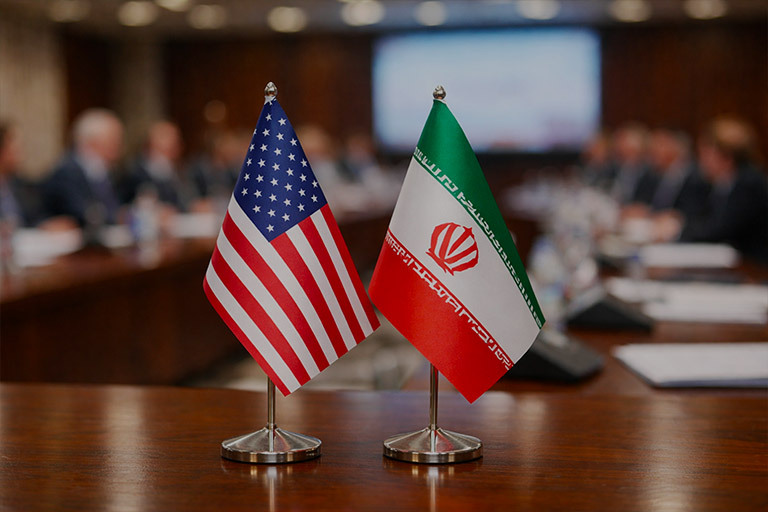
Efforts to end the ongoing conflict between the United States, Israel, and Iran remain uncertain, as both sides continue to present sharply different conditions for peace. A reported 15-point proposal from the US, allegedly conveyed to Tehran through Pakistan, has sparked cautious global optimism, but significant disagreements persist.
The proposed framework reportedly includes a temporary 30-day ceasefire intended to create space for broader negotiations. Key elements attributed to the plan involve dismantling Iran’s nuclear facilities at Natanz, Isfahan, and Fordow, alongside a permanent halt to any nuclear weapons development. Iran would also be required to transfer its enriched uranium stockpile to the International Atomic Energy Agency and allow comprehensive monitoring of its nuclear activities. Additionally, the plan seeks to restrict Iran’s missile capabilities, end its support for regional allied groups, and halt attacks on energy infrastructure in the Gulf.
In return, the US proposal reportedly offers incentives such as lifting sanctions, ending mechanisms that allow sanctions to be reimposed, and providing support for civilian nuclear energy at the Bushehr plant. Another key demand includes reopening the Strait of Hormuz to full international shipping access, after disruptions caused by the conflict drove global oil prices sharply upward.
Despite these reported details, none of the involved parties have officially confirmed the contents of the plan. At the same time, military preparations continue, with indications that additional US troops could be deployed to the region, underscoring the dual track of diplomacy and escalation.
Iran, however, has rejected claims that formal negotiations are underway. Its leadership has dismissed US assertions of ongoing dialogue, framing them as unilateral narratives rather than genuine diplomatic engagement. Iranian officials have emphasized deep mistrust toward Washington, particularly in light of past military actions during earlier negotiation periods.
Tehran has nonetheless outlined its own conditions for ending the war. These include recognition of its right to peaceful nuclear development, comprehensive lifting of sanctions, and financial reparations for damages caused during the conflict. The Iranian leadership has also called for firm international guarantees to prevent future attacks. Additional demands reported by state-affiliated sources include the closure of US military bases in the region and greater control over transit through the Strait of Hormuz.
Internal dynamics within Iran further complicate the situation. While the civilian leadership has indicated some openness to negotiation under strict conditions, the Islamic Revolutionary Guard Corps appears more resistant, viewing the conflict as a matter of national survival and deterrence. This divergence has resulted in mixed messaging from Tehran, reflecting both strategic caution and hardline resistance.
The roots of the current tensions extend back years, particularly following the US withdrawal from the 2015 nuclear agreement. That deal had imposed limits on Iran’s nuclear activities in exchange for sanctions relief, but its collapse contributed to escalating hostilities. The current conflict has significantly worsened economic and humanitarian conditions, with rising casualties and widespread disruption across the region.
Despite the challenges, some analysts believe that limited diplomatic engagement remains possible. Reports suggest indirect communication channels may be active, facilitated by countries such as Pakistan, Egypt, Saudi Arabia, and Turkiye. These intermediaries are attempting to bring both sides to the negotiating table, potentially in Islamabad.
Mounting pressure on all parties could also push them toward dialogue. The economic impact of the conflict, including volatile energy markets and disrupted trade routes, has affected global stakeholders. Domestic political considerations in the United States, particularly ahead of upcoming elections, may also influence Washington’s willingness to pursue a resolution.
However, the gap between US and Iranian demands remains substantial. While both sides signal conditional openness to de-escalation, their core positions, particularly on nuclear capabilities, regional influence, and security guarantees, continue to clash. As a result, although talks appear possible, the likelihood of a comprehensive agreement in the near term remains uncertain.