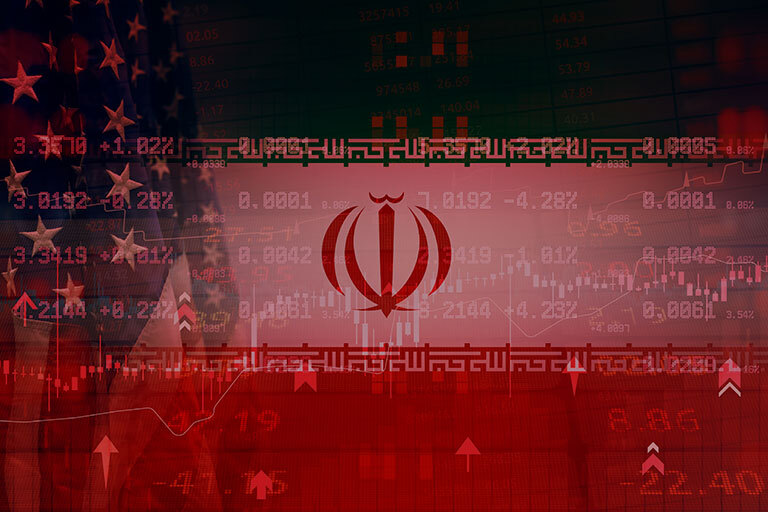
The ongoing Iran conflict is increasingly influencing the US economy, with its effects visible in both direct and subtle ways. Rising energy costs have been the most immediate impact, while broader economic consequences are gradually emerging.
Despite growing concerns about a potential recession, most economists expect only a limited effect on overall economic growth. Gross domestic product is likely to see a slight reduction, depending largely on how long tensions persist. If the current ceasefire continues, inflationary pressures may ease. However, renewed fighting could deepen uncertainty and threaten the modest growth seen in recent quarters.
Uncertainty has remained a key concern for the economy over the past year, intensified by shifting trade policies and a more assertive foreign policy environment. The conflict has added further complexity, raising questions about inflation trends, consumer resilience, and global economic stability.
Rising Costs Put Pressure on Consumers
Higher energy prices have placed noticeable strain on households. Gasoline prices have climbed to around $4.10 per gallon, increasing everyday expenses. At the same time, elevated mortgage rates have contributed to a slowdown in housing activity, with home sales declining in recent months.
Even so, consumer spending has remained relatively strong. Card spending rose in March, driven in part by higher fuel costs, but also supported by steady growth in other categories. Increased tax refunds have also provided temporary financial relief, helping households manage rising expenses.
Consumer Sentiment and Spending Diverge
Consumer confidence, however, has dropped sharply, reaching historically low levels. Surveys indicate growing concern about economic conditions, though this has not yet translated into reduced spending. Economists note that sentiment and actual behavior do not always align, and spending is expected to continue growing at a modest pace.
Oil Prices and Growth Outlook
Energy prices remain a central factor in determining the economic outlook. While oil prices have risen, they have not yet reached levels that would significantly disrupt demand. As a result, concerns about long-term structural damage to the economy remain limited.
Growth forecasts have been adjusted downward, with annual GDP now expected to expand more slowly than previously predicted. Hiring may also weaken slightly, and unemployment could rise modestly. These developments may influence future decisions by the Federal Reserve, particularly regarding interest rates.
Mixed Inflation Signals and Global Impact
Inflation data present a mixed picture. Overall prices have increased, largely due to energy costs, while core inflation has remained more stable. This suggests that underlying price pressures are still somewhat contained.
Globally, the impact is expected to be more pronounced in regions heavily dependent on Middle Eastern energy supplies, particularly in Asia. Supply chains have also begun to feel the effects, with rising costs and disruptions likely to intensify in the coming months.
Overall, the US economy is expected to withstand the current challenges, though slower growth and higher prices are likely in the near term.